|
|
|
Farm Sues Taco Bell For Libel Over E-Coli Outbreak
Breaking Legal News |
2007/03/23 10:11
|
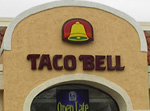
| The Southern California farm that grew the green onions that were first linked to and then cleared in last year‘s E. coli E. coli outbreak has filed a libel lawsuit against Taco Bell Corp. "Taco Bell engaged in an irresponsible and intentional crusade to save its own brand at the expense of an innocent supplier," Thomas Girardi, an attorney for Oxnard-based Boskovich Farms, told the Los Angeles Times. He declined to specify the loss. The lawsuit seeks unspecified damages. "We believed green onions may have been the source based on the presumptive positive testing, so we immediately removed them from our products to put public safety first," the statement said. "We later learned they were not the source of the E. coli outbreak." The lawsuit alleges Taco Bell officials probably knew by Dec. 9 and certainly by Dec. 11 that tests for E. coli in the green onions were negative. The company and FDA officials said Dec. 11 that the green onions were not the source of the disease, and Taco Bell posted a press release Dec. 13 on its Web site that said lettuce appeared to be the most probable source of the outbreak, according to the suit. Creed also said Taco Bell would no longer include green onions as a food ingredient. The lawsuit noted that lettuce remains in about 70 percent of Taco Bell‘s food selections. |
|
|
|
|
|
|
Class action or a representative action is a form of lawsuit in which a large group of people collectively bring a claim to court and/or in which a class of defendants is being sued. This form of collective lawsuit originated in the United States and is still predominantly a U.S. phenomenon, at least the U.S. variant of it. In the United States federal courts, class actions are governed by Federal Rules of Civil Procedure Rule. Since 1938, many states have adopted rules similar to the FRCP. However, some states like California have civil procedure systems which deviate significantly from the federal rules; the California Codes provide for four separate types of class actions. As a result, there are two separate treatises devoted solely to the complex topic of California class actions. Some states, such as Virginia, do not provide for any class actions, while others, such as New York, limit the types of claims that may be brought as class actions. They can construct your law firm a brand new website and help you redesign your existing law firm site to secure your place in the internet. |
Law Firm Directory
|
|


 Legal News RSS Feed